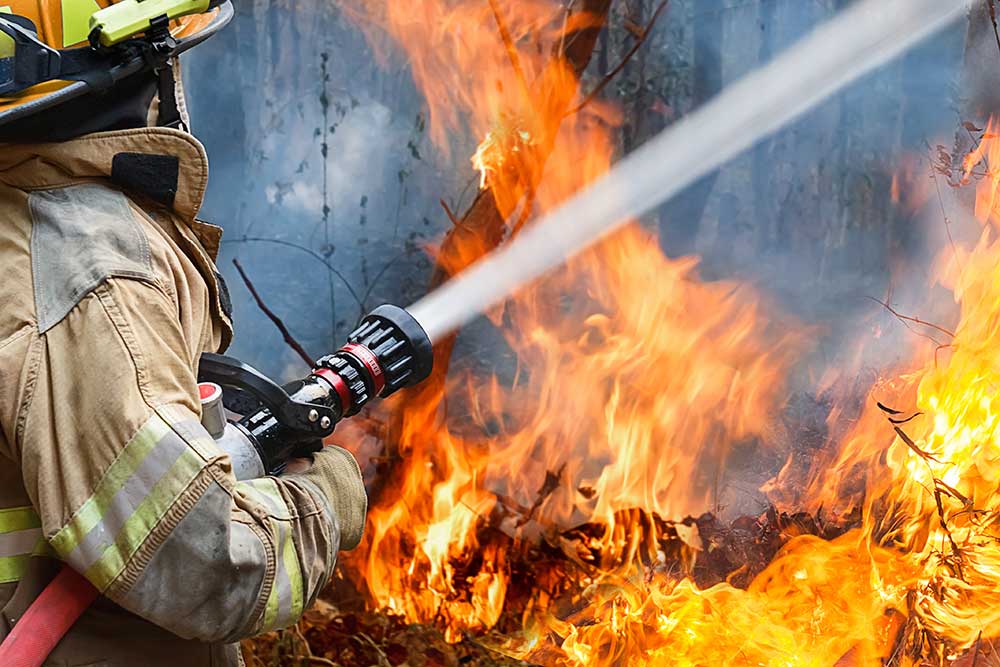
Firefighters across central Oregon continue battling the massive Rowe Creek Complex as crews work to contain the sprawling wildfire and protect communities, roads, and critical infrastructure threatened by ongoing fire activity.
The latest official update issued Friday, August 7, 2026, reports that the Rowe Creek Complex has reached approximately 357,895 acres. The complex began on July 15 after lightning ignited multiple fires in central Oregon, with the incident centered about 10 miles south of Fossil.
The enormous fire complex has developed into one of the most significant wildfire incidents in Oregon this season. Multiple fires have merged or become part of the broader Rowe Creek Complex, creating a vast area that requires firefighters to work across different terrain and sections of the incident.
Crews are continuing to concentrate on protecting communities and preventing the fire from crossing important transportation routes. Recent reports indicate that firefighters have been working to keep the fire from crossing U.S. Highway 26, an important route through the region.
The scale of the incident has required a substantial firefighting response. Friday’s official update lists approximately 1,616 personnel assigned to the Rowe Creek Complex.
The fire’s origin has been attributed to lightning, which sparked the initial fires during a period of hot, dry conditions across Oregon. Those conditions have contributed to difficult firefighting operations and allowed fires across the state to grow rapidly.
Officials have previously emphasized structure protection and public safety as important priorities. Earlier in the incident, Oregon State Fire Marshal resources were deployed to defend homes and infrastructure along Highway 26 and in other areas affected by the complex.
The situation has also affected transportation in the region. Highway 26 has experienced closures during periods of heightened fire activity, demonstrating the broader impact the wildfire has had on residents, travelers, and emergency operations.
Smoke remains another concern associated with the enormous fire. Depending on wind direction and fire behavior, smoke from the complex can affect communities far from the immediate flames and contribute to deteriorating air quality.
Fire behavior can change rapidly as temperatures, humidity, wind, and fuel conditions shift. Even areas that appear relatively quiet can remain vulnerable to renewed fire activity, particularly where unburned vegetation and pockets of heat remain.
Authorities continue to monitor the complex while firefighters work to strengthen containment lines and protect areas at risk. The scale of the incident means that suppression efforts are likely to continue for an extended period.
Residents and travelers in affected areas should monitor official evacuation notices, road-closure information, and emergency alerts rather than relying on unverified social media reports. Conditions can change quickly, and evacuation instructions should always be followed when issued.
The Rowe Creek Complex remains an active and significant wildfire emergency in Oregon. With hundreds of thousands of acres affected and more than 1,600 personnel assigned, firefighters continue working to contain the blaze while protecting communities and critical infrastructure.
Further updates are expected as fire officials conduct additional mapping and assess containment, fire behavior, road conditions, and public safety risks.